
From AI Buzz
to Business
How to Sell Tencent Cloud AI Solutions
Three products. Three questions. One customer conversation you can start next week.
Sell the problem you can measure — not the model you like.
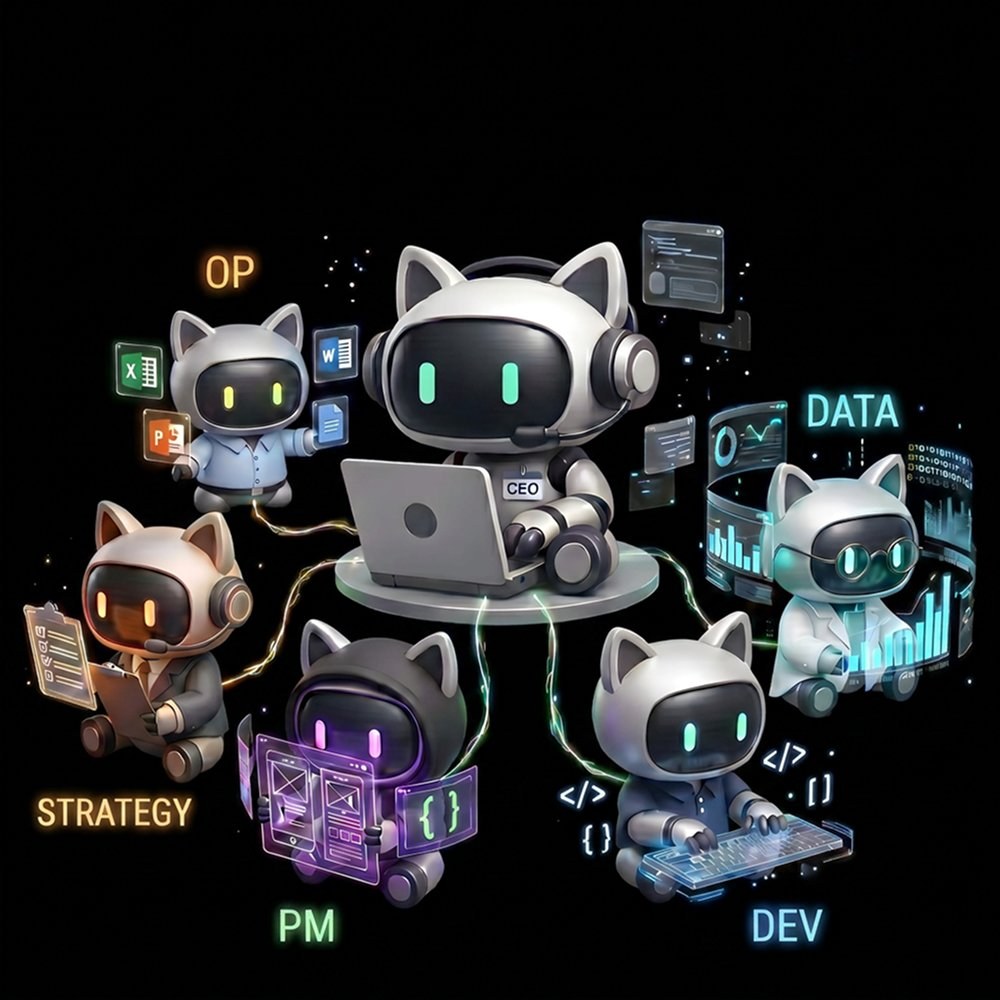


What it is — in plain business language
Pick a tab. Read the one-liner. That is the whole pitch.
The model layer behind the applications your customer builds
It is not a chatbot your employees log into






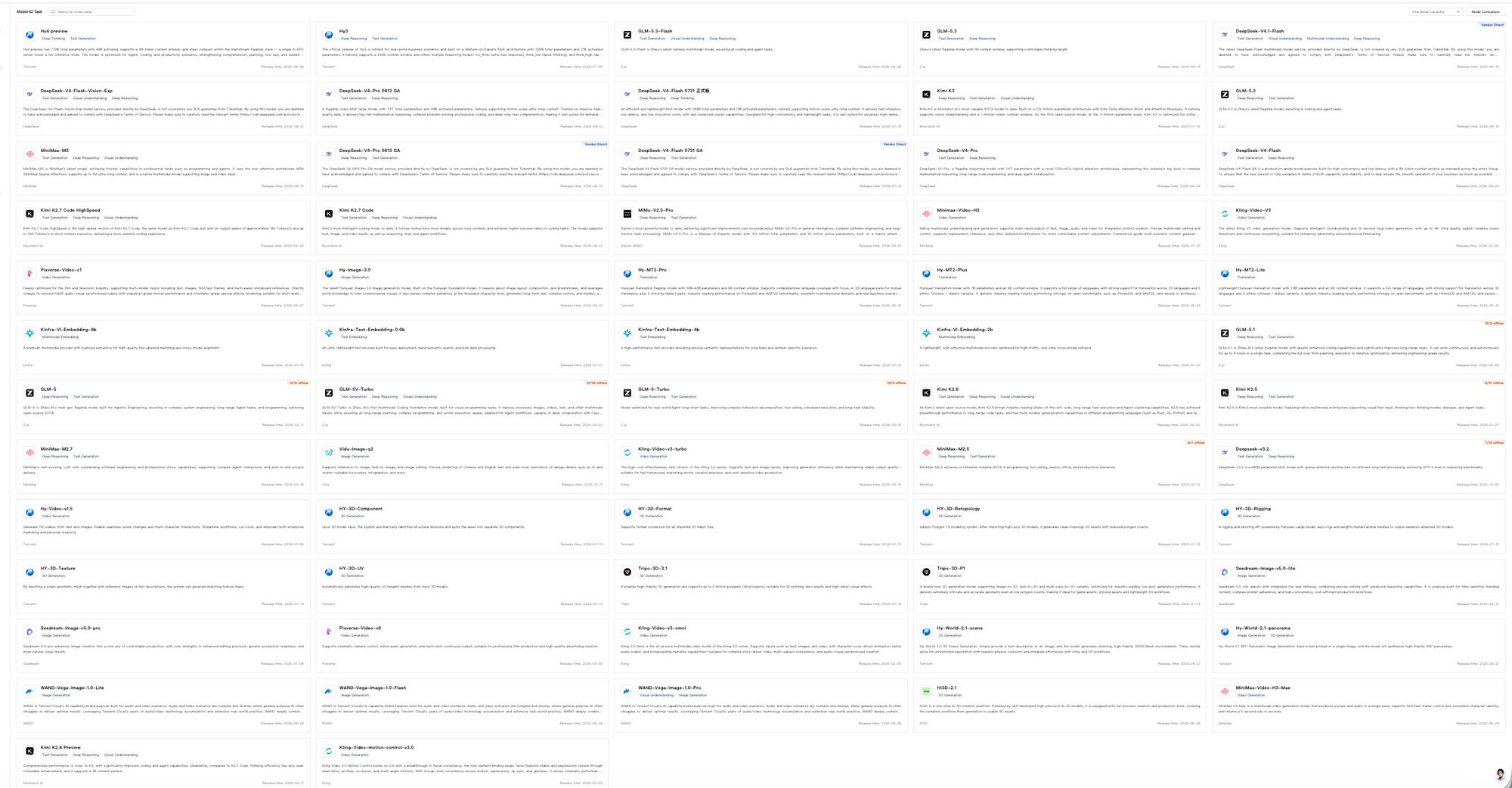
The snapshot mixes language, image, video, 3D and embedding entries, plus vendor-direct duplicates and lifecycle badges. Do not present the card count as a count of available LLMs — confirm availability in the console.
Keep the customer’s existing tools
Full integration overview (Language Model API) ↗
These are integration guides for TokenHub. The customer keeps the tool; TokenHub provides the model access behind it.
AI support for software teams
More output from the same team
Reduce delivery bottlenecks
Engineering, QA, delivery
- Professional programmers and full-stack teams
- Test engineers who need unit tests written
- Ops and delivery owners under release pressure
Not “AI writes everything”

AI workbench for business teams
Save time on repetitive work
Get finished work, not more chat
Not another chat window

Who needs it — the persona and the pain
Look for the pain in the room, not the org chart.
| IF YOU HEAR… | WHO FEELS IT | THE REAL PAIN | START WITH |
|---|---|---|---|
| “Our AI bill is growing faster than the value.” | AI platform lead, engineering manager, CTO | Paying premium-model prices for workloads a cheaper model handles |  TokenHub TokenHub |
| “Our backlog keeps growing; releases slip.” | Engineering lead, QA, delivery owner | Capacity is the constraint, not ideas | CodeBuddy |
| “My team rebuilds the same report every week.” | Department head, sales ops, marketing, HR, finance, PMO | Skilled people doing copy-paste work | WorkBuddy |
TOKENHUB BUYERDeveloper & platform teams already burning tokens
- Champion: AI platform lead / engineering manager
- Sponsor: CTO
- Signal: they already run coding agents, internal copilots, R&D experiments or evaluation runs
- Number to ask for: monthly token spend and the biggest model line item
CODEBUDDY BUYERTeams whose constraint is capacity
- Champion: engineering lead / QA lead
- Sponsor: CTO or delivery director
- Signal: code review queues, missing unit tests, legacy modules nobody wants to touch
- Number to ask for: last slipped release and where it got stuck
WORKBUDDY BUYERBusiness teams paid to produce documents
- Champion: department head / ops lead
- Sponsor: COO or functional director
- Signal: weekly reports, customer briefs, tender docs rebuilt by hand
- Number to ask for: hours spent per cycle on that one workflow
Lead with one product
Three questions that sort the room
- Is the pain cost, capacity or admin workload?
- Who owns the budget for it today?
- Is there already an AI tool in production — or only slides?
Buyer mapping is a sales recommendation, not a product restriction.
How to sell it — motion, use case, opener
One motion per product. Start where the money or the backlog already is.
TokenHub — go where the token bill already is
Teams already spending a lot of tokens
- Developer teams and platform teams running coding agents, internal copilots, R&D prototyping and evaluation runs.
- They already have budget and a working integration — you are not selling AI adoption, you are selling a cheaper way to run what they already do.
- Champion: AI platform lead / engineering manager. Sponsor: CTO.
Get the numbers before you present
- “How much did you spend on model tokens last month?”
- “Which model is the biggest line item — and what does it run?”
- “Who owns that bill today?”
- “Or is the real problem that the dev team cannot cope with the workload backlog?”
Lower-cost models on their own workload
- Run the same workload on lower-cost models from the TokenHub catalogue.
- Their team keeps the tools they already use — only the endpoint, the key and the model name change.
- Test performance and cost reduction together, on their own prompts and their own approved data.
Four numbers, agreed before the test
- Answer quality
- Response latency
- Cost per accepted response
- Throughput under their real load
Sell capacity, not magic
- Who: engineering lead, QA, delivery owner
- Use case: one repo task — understand a module, make a scoped change, draft unit tests
- Proof: their engineers review the diff, tests pass, cycle time before vs after
- Opener: “Which release slipped last quarter, and where did it get stuck — understanding the code, tests or review?”
Sell hours back to a department
- Who: department head, sales ops, marketing, HR, finance, PMO
- Use case: one recurring workflow — approved account notes → customer brief → meeting deck
- Proof: baseline hours vs pilot hours, and deliverables the owner actually accepts
- Opener: “Which report or deck does your team rebuild every week and still lose a day on?”
Leave with the customer’s real starting point
| PRODUCT | CUSTOMER PAIN / USE CASE | ASK FOR NEXT |
|---|---|---|
| TokenHub | Developer / platform team using a high-cost model for a high-volume workload | Monthly token spend, most expensive model and a demo date |
| CodeBuddy | Engineering / QA: backlog, slow code review, missing tests or expensive coding tools | Department, one approved repo task, current tool cost and productivity goal |
| WorkBuddy | Business department: repetitive reports, research or documents consuming too many hours | Department, recurring workflow, hours spent today and productivity improvement they want |
The goal is not to sell all three products. Leave with one named department, one current pain or productivity goal, one use case and one agreed next step.
How customers pay for TokenHub, CodeBuddy and WorkBuddy
TokenHub consumption billing plus CodeBuddy / WorkBuddy enterprise license pricing.
Two ways customers pay
Pay-as-you-go per token
Language models bill input, output and cached input separately, priced in USD per million tokens.
Token Plan subscriptions
Prepaid Token Plan packages exist (personal and enterprise tiers such as Pro / Lite) with their own plan quota and plan-specific API key. Confirm the current plan list, quota and Base URL path in the console before quoting.
| Billable item | Billing method | Unit | Description |
|---|---|---|---|
| Input tokens | Pay-as-you-go | USD / million tokens | Token consumption of user input text (including system prompt) |
| Output tokens | Pay-as-you-go | USD / million tokens | Token consumption of model-generated text |
| Cached input | Pay-as-you-go | USD / million tokens | Cached input token consumption |
Unit prices differ per model. Some models use tiered pricing by input length, and some reasoning models price the thinking process separately — check the pricing table for the exact model you are quoting.
Team version: seats plus included token credits
| License consumption (sets) | Default discount | List price / license / mo | Effective price / license / mo |
|---|---|---|---|
| 0 – 50 sets | 10% | $40.00 | $36.00 |
| 50 – 100 sets | 20% | $40.00 | $32.00 |
| Above 100 sets | Case-by-case | $40 | Case-by-case (product team) |
Each team license includes token credits. The team version gives the customer centralized seat management, shared usage visibility and a consistent AI workspace for the whole team — instead of managing individual users one by one.
Find the friction, then book the test
Two frictions open most doors: AI cost that is too high, and a dev team that cannot cope with the backlog.
Cost or capacity?
- “Is the company’s AI / LLM model cost too high?”
- “Which model is too expensive right now — and what does it run?”
- “Or is the dev team unable to cope with the backlog?”
- Get the numbers: monthly token spend, top-cost model, backlog size, delayed releases.
Test on their own workload
- Take their real prompts, their support questions or their repo task.
- Offer our LLM models on TokenHub, or an AI agent — WorkBuddy or CodeBuddy.
- Test the two things they care about: performance and cost reduction.
- Use approved or sanitized data for the test.
Book it in the meeting
- Ask for a demo slot on their highest-cost workload.
- Agree the owner, the metrics and the review date.
- Measure quality, latency, cost per accepted response and throughput.
- Come back with the measured numbers, not estimates.
Where AI spend usually hides
- High-volume chat or support traffic on a premium model
- Long documents re-sent on every call instead of using cached input
- Reasoning left on for simple tasks
- No per-department key, so nobody owns the bill
Where the backlog usually sits
- Understanding legacy modules before any change
- Missing unit tests blocking a release
- Code review queues
- Repetitive reporting pulling engineers off delivery
Answer the concern. Clarify the product layer.
Short answers that lead to evidence — including how we compare with Aerogram.
| THEY SAY | YOU SAY |
|---|---|
| “We already use another AI tool.” | Compare one real task against the current tool. Agree what result would justify a change. |
| “Can we use confidential data?” | Check the product, plan, permissions and data terms first. Start with approved or sanitized material, then answer with the linked official security documentation below. |
| “How much will we save?” | Measure their baseline, their usage and their accepted output in the test, then build the value case from those observed results. |
| “Which model should we use?” | Map it to the workload, then test. Quality, latency and cost per accepted response decide it — not a leaderboard. |
Where Aerogram fits — and where it does not replace Tencent products
Flexible AI colleague vs standardized workflow apps
Model-access layer vs business workflow layer
Potential integration: if Aerogram supports customer-configured OpenAI- or Anthropic-compatible endpoints, TokenHub may supply its underlying models. Aerogram’s public site confirms multi-model support but does not clearly confirm custom TokenHub endpoints, so verify technically before promising this integration.
Security answers you can defend
Every line below is traced to official documentation. Nothing inferred.
“Do you train on our data?”
| Product | Documented position | Read it on the official site |
|---|---|---|
| TokenHub | “No, we take your privacy protection very seriously. We will not use your data for any purpose other than providing services to you, nor will it be used for training.” Processing purposes are limited to providing features and troubleshooting. | TokenHub FAQs ↗ Data Processing & Security Protocol ↗ |
| CodeBuddy Enterprise | “By default, we do not use your Inputs or Outputs for model training purposes.” Training requires explicit opt-in consent; BYOK usage is also excluded. | CodeBuddy Enterprise Privacy Policy ↗ Enterprise Service Agreement, §9.2(g) ↗ |
| WorkBuddy | “Data is executed and processed in the user’s local environment… the server side only processes data fragments, discards them after use, does not save them, and does not use them for model training.” | WorkBuddy FAQs — Data Security ↗ Privacy statement ↗ |
How to answer: all three state a no-training position in writing. For CodeBuddy the training setting lives in IDE Settings → General → “Experience Optimization Program” — the privacy policy says it is off by default and can be turned off at any time. For a bank or government customer, stipulate in the order form that the toggle is disabled tenant-wide and ask for the enterprise / VPC edition.
How long content is kept
| Product | Retention | Read it on the official site |
|---|---|---|
| TokenHub | “If you choose Singapore or Frankfurt or Silicon Valley as your resource region and activate the Zero Data Retention (ZDR) function, then we will not store such information. If you did not activate the ZDR function, we generally retain information for up to 30 days after your task request.” | Data Processing & Security Protocol, §5 ↗ |
| CodeBuddy Enterprise | Inputs and outputs retained for up to fourteen (14) days. Login, account and security credential data is kept while the account exists and deleted within one month of termination. End-user configuration information is stored locally on the device only. | CodeBuddy Enterprise Privacy Policy ↗ |
| WorkBuddy | “Server side only processes data fragments, discards them after use, does not save them, and does not use them for model training.” Confirm the current retention wording in the client privacy statement before committing it contractually. | WorkBuddy FAQs — Data Security ↗ Privacy statement ↗ |
Platform-level and region-scoped — click through to each certificate
- SOC Audit (SOC 1 / 2 / 3) ↗
- ISO/IEC 27018 — personal data in the cloud ↗
- ISO/IEC 27701 — privacy information management ↗
- PCI DSS ↗
- Multi-Level Protection Scheme (等保) ↗
- Trusted Cloud Services Certification ↗
- IT compliance audit — Thailand financial industry ↗
- MTCS (Singapore) ↗
- KISMS (Korea) ↗
- HIPAA ↗
- NIST CSF ↗
- GxP Compliance ↗
- MPAA ↗
- SEC Rule 17a-4 ↗
- Full compliance certificate list ↗
These certifications are issued to the Tencent Cloud platform and are region-scoped. Confirm region coverage, and provide reports and attestations under NDA on request. For Thai regulated customers, request the actual attestation letter for the Thailand financial-industry audit under NDA rather than citing the web page alone.
Identity, content, data, network
- Per-application API keys scoped by model, service and source IP
- Token quotas per key
- Call metadata to CLS for audit
- LLM-WAF prompt and response inspection (allow / block / substitute)
- Confidential computing with remote attestation; PrivateLink access
Three layers of defence
- Sandbox, filesystem isolation to the authorised workspace, read-only by default with explicit approval
- SSO + org sync, per-department credit quotas, IP allow-list, granular tool permissions
- Skill security audit and local skill scanner before install
- HTTPS end-to-end with TLS 1.2 / 1.3
- VPC Dedicated Edition: dedicated VPC, tenant isolation, private-link access
SaaS, dedicated VPC or on-prem
- SaaS Enterprise on shared VPC
- Dedicated-cloud Enterprise on a dedicated VPC
- Fully offline deployment in the customer’s own IDC is supported, so code and data stay inside the corporate network
- Encryption, hashing, role-based access control and audit logs
Every statement above links to the official Tencent Cloud or product documentation page it comes from. Documentation changes — open the link and re-check the exact wording before you put it in a customer proposal.
Where each claim comes from
Official documentation only — click any entry to open it.
TokenHub — product & pricing
AI tools we can integrate
Comparison reference
Security & compliance certificates
Every entry above links to an official Tencent Cloud or product-owner page — click it to open the source. Links verified 20 Sep 2026; documentation changes, so re-check before using the wording in a customer proposal.
จากกระแส AI
สู่ธุรกิจ
วิธีขายโซลูชัน AI ของ Tencent Cloud
สามผลิตภัณฑ์ สามคำถาม และหนึ่งบทสนทนาที่เริ่มต้นกับลูกค้าได้ตั้งแต่สัปดาห์หน้า
ขายคุณค่าจากปัญหาที่วัดผลได้ ไม่ใช่ขายโมเดลที่เราชอบ
คืออะไร — อธิบายด้วยภาษาธุรกิจที่เข้าใจง่าย
เลือกแท็บ แล้วอ่านคำอธิบายสั้น ๆ เพียงประโยคเดียว—เท่านี้ก็นำเสนอได้
เลเยอร์โมเดลที่อยู่เบื้องหลังแอปที่ลูกค้าสร้างเอง
ไม่ใช่แชตบอทที่พนักงานล็อกอินเข้าไปใช้
ภาพนี้รวมทั้งโมเดลภาษา ภาพ วิดีโอ 3D และ embedding รวมถึงการ์ดแบบ vendor-direct และรายการที่มีป้าย lifecycle จึงไม่ควรนับจำนวนการ์ดเป็นจำนวน LLM ที่ใช้ได้ ต้องตรวจสอบในคอนโซลก่อนเสนอ
ใช้เครื่องมือเดิมของลูกค้าได้
ภาพรวมการเชื่อมต่อทั้งหมด (Language Model API) ↗
นี่คือคู่มือการเชื่อมต่อสำหรับ TokenHub ลูกค้ายังคงใช้เครื่องมือเดิม ส่วน TokenHub ทำหน้าที่เชื่อมต่อกับโมเดลเบื้องหลัง
ผู้ช่วย AI สำหรับทีมซอฟต์แวร์
ทีมเดิมทำงานได้มากขึ้น
ลดคอขวดในการส่งมอบ
ทีมวิศวกรรม, QA และงานส่งมอบ
- โปรแกรมเมอร์มืออาชีพและทีม full-stack
- วิศวกรทดสอบที่ต้องการให้ช่วยเขียน unit test
- ทีม ops และผู้รับผิดชอบงานส่งมอบที่ต้องเร่งปล่อยงานตามกำหนด
ไม่ใช่ “AI เขียนทุกอย่างให้”
เว็บไซต์ CodeBuddy ทางการ ↗ · นโยบายความเป็นส่วนตัวสำหรับองค์กร ↗
เวิร์กเบนช์ AI สำหรับทีมธุรกิจ
ประหยัดเวลากับงานที่ทำซ้ำ
ได้ชิ้นงานที่เสร็จพร้อมใช้ ไม่ใช่แค่แชตเพิ่ม
ไม่ใช่เพียงเครื่องมือแชตอีกตัวหนึ่ง
ใครต้องการ — กลุ่มคนและปัญหา
มองหาปัญหาที่คนในห้องกำลังเผชิญ ไม่ใช่ดูจากผังองค์กร
| ถ้าได้ยินแบบนี้… | ใครเป็นคนเจอปัญหา | ปัญหาที่แท้จริง | เริ่มด้วย |
|---|---|---|---|
| “ค่าใช้จ่ายด้าน AI เพิ่มเร็วกว่ามูลค่าที่ได้รับ” | หัวหน้าทีม AI platform, ผู้จัดการฝ่ายวิศวกรรม, CTO | ใช้โมเดลพรีเมียมกับงานที่โมเดลราคาต่ำกว่าก็รองรับได้ | TokenHub |
| “backlog โตขึ้นเรื่อย ๆ จนปล่อยงานล่าช้า” | หัวหน้าทีมวิศวกรรม, QA, เจ้าของงานส่งมอบ | ข้อจำกัดอยู่ที่กำลังคน ไม่ใช่การขาดไอเดีย | CodeBuddy |
| “ทีมทำรายงานเดิมซ้ำทุกสัปดาห์” | หัวหน้าแผนก, sales ops, การตลาด, HR, การเงิน, PMO | บุคลากรที่มีทักษะต้องเสียเวลาไปกับงานคัดลอกและวาง | WorkBuddy |
ผู้ซื้อ TokenHubทีมพัฒนาและทีม platform ที่ใช้ token จำนวนมากอยู่แล้ว
- ผู้สนับสนุนหลัก: หัวหน้าทีม AI platform / ผู้จัดการฝ่ายวิศวกรรม
- ผู้อนุมัติ: CTO
- สัญญาณ: เขามี coding agent, ผู้ช่วยภายใน, งานทดลอง R&D หรือรันงานประเมินผลอยู่แล้ว
- ตัวเลขที่ต้องขอ: ค่าโทเคนต่อเดือน และโมเดลที่มีค่าใช้จ่ายสูงสุด
ผู้ซื้อ CodeBuddyทีมที่ติดข้อจำกัดด้านกำลังคน
- ผู้สนับสนุนหลัก: หัวหน้าทีมวิศวกรรม / หัวหน้า QA
- ผู้อนุมัติ: CTO หรือผู้อำนวยการฝ่ายส่งมอบ
- สัญญาณ: คิวรีวิวโค้ดยาว ขาด unit test และโมดูลเก่าที่ไม่มีใครอยากแตะ
- ตัวเลขที่ต้องขอ: การปล่อยงานล่าสุดที่ล่าช้าและจุดที่ติดขัด
ผู้ซื้อ WorkBuddyทีมธุรกิจที่ต้องผลิตเอกสาร
- ผู้สนับสนุนหลัก: หัวหน้าแผนก / หัวหน้าฝ่ายปฏิบัติการ
- ผู้อนุมัติ: COO หรือผู้อำนวยการสายงาน
- สัญญาณ: รายงานประจำสัปดาห์ สรุปลูกค้า เอกสารประมูล ที่ทำใหม่ด้วยมือทุกครั้ง
- ตัวเลขที่ต้องขอ: จำนวนชั่วโมงต่อรอบของงานนั้น
เริ่มเสนอด้วยผลิตภัณฑ์เดียว
สามคำถามที่ช่วยคัดกรองความต้องการ
- ปัญหาคือ ต้นทุน กำลังคน หรืองานเอกสาร
- ตอนนี้ใครเป็นเจ้าของงบประมาณส่วนนี้คะ
- มีเครื่องมือ AI ใช้งานจริงแล้ว หรือยังอยู่แค่ในสไลด์คะ
การกำหนดกลุ่มผู้ซื้อเป็นคำแนะนำเชิงการขาย ไม่ใช่ข้อจำกัดของผลิตภัณฑ์
ขายอย่างไร — วิธีขาย ยูสเคส และประโยคเปิด
ใช้แนวทางการขายเฉพาะสำหรับแต่ละผลิตภัณฑ์ โดยเริ่มจากจุดที่ลูกค้ามีค่าใช้จ่ายหรือ backlog อยู่แล้ว
TokenHub — เริ่มจากลูกค้าที่มีค่าใช้จ่ายด้าน token อยู่แล้ว
ทีมที่ใช้โทเคนจำนวนมากอยู่แล้ว
- ทีมพัฒนาและทีม platform ที่รัน coding agent, ผู้ช่วยภายใน, งานทดลอง R&D และการประเมินผล
- เขามีงบและมีระบบที่เชื่อมต่ออยู่แล้ว เราไม่ได้ขายการเริ่มใช้ AI แต่ขายวิธีรันงานเดิมให้ต้นทุนต่ำลง
- ผู้สนับสนุนหลัก: หัวหน้าทีม AI platform / ผู้จัดการฝ่ายวิศวกรรม ผู้อนุมัติ: CTO
ได้ตัวเลขก่อนเริ่มนำเสนอ
- “เดือนที่แล้วจ่ายค่า token ไปเท่าไรคะ”
- “โมเดลใดมีค่าใช้จ่ายสูงที่สุด และใช้ทำงานอะไรคะ”
- “ตอนนี้ใครเป็นผู้รับผิดชอบค่าใช้จ่ายส่วนนี้คะ”
- “หรือปัญหาที่แท้จริงคือทีมพัฒนารับมือกับ backlog ไม่ทันคะ”
โมเดลต้นทุนต่ำกว่าสำหรับ workload จริงของลูกค้า
- รันงานเดิมด้วยโมเดลต้นทุนต่ำกว่าจากแค็ตตาล็อกของ TokenHub
- ทีมยังใช้เครื่องมือเดิมได้ เปลี่ยนแค่ endpoint, key และชื่อโมเดล
- ทดสอบทั้งประสิทธิภาพและการลดต้นทุนไปพร้อมกัน โดยใช้ prompt และข้อมูลจริงของลูกค้าที่ได้รับอนุญาตแล้ว
สี่ตัวเลขที่ต้องตกลงกันก่อนเริ่มทดสอบ
- คุณภาพคำตอบ
- ความเร็วในการตอบ
- ต้นทุนต่อคำตอบที่ยอมรับได้
- ปริมาณงานที่รองรับได้ภายใต้โหลดจริง
ขายขีดความสามารถที่เพิ่มขึ้น ไม่ใช่เวทมนตร์
- คุยกับ: หัวหน้าทีมวิศวกรรม, QA, เจ้าของงานส่งมอบ
- ยูสเคส: หนึ่งงานใน repo — ทำความเข้าใจโมดูล แก้ไขในขอบเขตที่กำหนด และร่าง unit test
- หลักฐาน: วิศวกรของลูกค้ารีวิว diff ผลการทดสอบผ่าน และเปรียบเทียบเวลาต่อรอบก่อนและหลัง
- ประโยคเปิด: “ไตรมาสที่แล้ว งานใดปล่อยล่าช้าและติดขัดตรงขั้นตอนไหน—การอ่านโค้ด การทดสอบ หรือการรีวิวคะ”
ขายคุณค่าจากเวลาที่ทีมได้คืนมา
- คุยกับ: หัวหน้าแผนก, sales ops, การตลาด, HR, การเงิน, PMO
- ยูสเคส: หนึ่งงานที่ทำซ้ำ — บันทึกเกี่ยวกับลูกค้าที่ได้รับอนุมัติให้ใช้ → สรุปลูกค้า → สไลด์ประชุม
- หลักฐาน: จำนวนชั่วโมงก่อนและหลัง pilot และผลงานที่เจ้าของงานยอมรับจริง
- ประโยคเปิด: “รายงานหรือสไลด์ใดที่ทีมต้องทำใหม่ทุกสัปดาห์และใช้เวลาทำเป็นวันคะ”
จบการประชุมโดยได้จุดเริ่มต้นจากปัญหาจริงของลูกค้า
| ผลิตภัณฑ์ | ปัญหา / ยูสเคสของลูกค้า | สิ่งที่ต้องขอเป็นขั้นถัดไป |
|---|---|---|
| TokenHub | ทีม developer / platform ที่ใช้โมเดลต้นทุนสูงกับ workload ปริมาณมาก | ค่าโทเคนต่อเดือน โมเดลที่แพงที่สุด และวันนัดเดโม |
| CodeBuddy | ทีมวิศวกรรม / QA: backlog ค้าง รีวิวโค้ดช้า ขาด test หรือเครื่องมือเขียนโค้ดมีต้นทุนสูง | ชื่อแผนก งานหนึ่งรายการใน repo ที่ได้รับอนุมัติให้ใช้ ต้นทุนเครื่องมือปัจจุบัน และเป้าหมายด้านผลิตภาพ |
| WorkBuddy | แผนกธุรกิจ: รายงาน งานค้นคว้า หรือเอกสารที่ทำซ้ำและใช้เวลามากเกินไป | ชื่อแผนก workflow ที่ทำซ้ำ ชั่วโมงที่ใช้ในปัจจุบัน และเป้าหมายการเพิ่มผลิตภาพ |
เป้าหมายไม่ใช่การขายทั้งสามผลิตภัณฑ์ ให้จบด้วยชื่อแผนกหนึ่งแผนก ปัญหาหรือเป้าหมายด้านผลิตภาพหนึ่งข้อ ยูสเคสหนึ่งรายการ และขั้นตอนถัดไปที่ตกลงกันแล้ว
ลูกค้าจ่ายค่า TokenHub, CodeBuddy และ WorkBuddy อย่างไร
TokenHub คิดค่าบริการตามการใช้งาน ส่วน CodeBuddy/WorkBuddy คิดค่าไลเซนส์สำหรับองค์กร
ลูกค้าจ่ายได้สองแบบ
คิดตามโทเคนที่ใช้จริง
โมเดลภาษาคิดค่าบริการ input, output และ cached input แยกกัน หน่วยเป็น USD ต่อล้านโทเคน
แพ็กเกจ Token Plan
มีแพ็กเกจ Token Plan แบบจ่ายล่วงหน้า (ทั้งระดับบุคคลและองค์กร เช่น Pro / Lite) โดยมีโควตาและ API key ของแพ็กเกจแยกออกมา ให้ตรวจรายการแพ็กเกจ โควตา และพาธของ Base URL ปัจจุบันในคอนโซลก่อนเสนอราคา
| รายการที่คิดเงิน | วิธีคิดเงิน | หน่วย | คำอธิบาย |
|---|---|---|---|
| Input tokens | จ่ายตามใช้จริง | USD / million tokens | โทเคนของข้อความที่ผู้ใช้ป้อน รวม system prompt |
| Output tokens | จ่ายตามใช้จริง | USD / million tokens | โทเคนของข้อความที่โมเดลสร้าง |
| Cached input | จ่ายตามใช้จริง | USD / million tokens | โทเคนของอินพุตที่ถูกแคช |
ราคาต่อหน่วยต่างกันตามรุ่นโมเดล บางโมเดลคิดราคาเป็นขั้นตามช่วงความยาวของอินพุต และบาง reasoning model คิดราคาส่วน thinking แยกต่างหาก ให้ตรวจตารางราคาของโมเดลนั้นก่อนเสนอราคา
เวอร์ชันทีม: ไลเซนส์พร้อม token credits
| จำนวนไลเซนส์ (ชุด) | ส่วนลดมาตรฐาน | ราคาปกติ / ไลเซนส์ / เดือน | ราคาสุทธิ / ไลเซนส์ / เดือน |
|---|---|---|---|
| 0 – 50 ชุด | 10% | $40.00 | $36.00 |
| 50 – 100 ชุด | 20% | $40.00 | $32.00 |
| มากกว่า 100 ชุด | พิจารณาเป็นรายกรณี | $40 | พิจารณาเป็นรายกรณี (ทีมผลิตภัณฑ์) |
ไลเซนส์ทีมแต่ละชุดรวม token credits ช่วยให้ลูกค้าบริหารผู้ใช้ ดูภาพรวมการใช้งานของทีม และใช้ AI workspace มาตรฐานเดียวกันทั้งทีม แทนการจัดการผู้ใช้ทีละราย
ค้นหาปัญหาให้เจอ แล้วนัดทดสอบ
สองปัญหาที่ช่วยเปิดโอกาสในการขายได้บ่อยที่สุด คือค่า AI ที่สูงเกินไป และทีมพัฒนาที่รับ backlog ไม่ทัน
ต้นทุน หรือกำลังคน
- “ค่าใช้จ่ายโมเดล AI / LLM ขององค์กรสูงเกินไปไหมคะ”
- “ตอนนี้โมเดลใดมีค่าใช้จ่ายสูงเกินไป และใช้ทำงานอะไรคะ”
- “หรือทีมพัฒนารับมือกับ backlog ไม่ทันคะ”
- ขอตัวเลข: ค่าโทเคนต่อเดือน โมเดลที่แพงสุด ขนาด backlog และงานที่ปล่อยช้า
ทดสอบด้วยงานจริงของลูกค้า
- ใช้ prompt จริง คำถามลูกค้าจริง หรืองานใน repo ของเขา
- เสนอโมเดล LLM ผ่าน TokenHub หรือ AI agent อย่าง WorkBuddy หรือ CodeBuddy
- ทดสอบสองเรื่องที่ลูกค้าสนใจ: ประสิทธิภาพ และการลดต้นทุน
- ใช้ข้อมูลที่ได้รับอนุญาตหรือผ่านการลบ/ปกปิดข้อมูลส่วนบุคคลแล้ว
นัดให้ได้ในห้องประชุม
- ขอนัดเดโมโดยใช้ workload ที่มีต้นทุนสูงสุดของลูกค้า
- ตกลงผู้รับผิดชอบ ตัวชี้วัด และวันทบทวนผล
- วัดคุณภาพ ความเร็ว ต้นทุนต่อคำตอบที่ยอมรับได้ และปริมาณงานที่ทำได้
- กลับมาพร้อมตัวเลขที่วัดได้จริง ไม่ใช่การประมาณ
ค่าใช้จ่าย AI มักซ่อนอยู่ที่ไหน
- ทราฟฟิกแชตหรือซัปพอร์ตปริมาณมากที่รันบนโมเดลราคาสูง
- ส่งเอกสารยาวซ้ำทุกครั้ง แทนที่จะใช้ cached input
- เปิดโหมด reasoning ไว้กับงานง่าย ๆ
- ไม่มีคีย์แยกตามแผนก จึงไม่มีใครรับผิดชอบค่าใช้จ่าย
backlog มักติดอยู่ที่ไหน
- ต้องเข้าใจโมดูลเก่าก่อนจะแก้อะไรได้
- ขาด unit test ทำให้ปล่อยงานไม่ได้
- คิวรีวิวโค้ดยาว
- งานรายงานซ้ำ ๆ ดึงวิศวกรออกจากงานส่งมอบ
ตอบข้อกังวล และอธิบายบทบาทของแต่ละผลิตภัณฑ์ให้ชัดเจน
ตอบสั้นแล้วพาไปสู่หลักฐาน รวมถึงการเปรียบเทียบกับ Aerogram
| ลูกค้าพูด | เราตอบ |
|---|---|
| “เราใช้เครื่องมือ AI อื่นอยู่แล้ว” | เทียบงานจริงหนึ่งงานกับเครื่องมือเดิม และตกลงว่าผลลัพธ์แบบไหนจึงคุ้มที่จะเปลี่ยน |
| “ใช้ข้อมูลที่เป็นความลับได้ไหม” | ตรวจสอบผลิตภัณฑ์ แพ็กเกจ สิทธิ์ และเงื่อนไขด้านข้อมูลก่อน เริ่มจากข้อมูลที่ได้รับอนุมัติหรือปกปิดข้อมูลส่วนบุคคลแล้ว จากนั้นอ้างอิงข้อมูลด้านความปลอดภัยด้านล่าง |
| “จะประหยัดได้เท่าไร” | วัด baseline ทั้งด้านการใช้งานและผลลัพธ์ที่ยอมรับได้ระหว่างการทดสอบ แล้วจัดทำข้อเสนอด้านคุณค่าจากผลที่วัดได้ |
| “ควรใช้โมเดลตัวไหน” | จับคู่กับลักษณะงานแล้วทดสอบ ตัวตัดสินคือคุณภาพ ความเร็ว และต้นทุนต่อคำตอบที่ยอมรับได้ ไม่ใช่ตารางจัดอันดับ |
Aerogram เหมาะกับส่วนใด และไม่ได้ทดแทนผลิตภัณฑ์ Tencent ในส่วนใด
ผู้ช่วย AI ที่ยืดหยุ่น เทียบกับ workflow app ที่มีมาตรฐาน
เลเยอร์เชื่อมต่อโมเดล เทียบกับเลเยอร์ workflow ธุรกิจ
ความเป็นไปได้ในการเชื่อมต่อ: หาก Aerogram รองรับ endpoint ที่ลูกค้ากำหนดเองและเข้ากันได้กับ OpenAI หรือ Anthropic ก็อาจใช้ TokenHub เป็นแหล่งโมเดลเบื้องหลังได้ แต่เว็บไซต์สาธารณะของ Aerogram ยืนยันเพียงการรองรับหลายโมเดล และยังไม่ได้ยืนยัน custom TokenHub endpoint อย่างชัดเจน จึงต้องตรวจสอบทางเทคนิคก่อนรับปากลูกค้า
คำตอบด้านความปลอดภัยที่ยืนยันได้
ทุกบรรทัดด้านล่างอ้างอิงเอกสารทางการ โดยไม่มีการตีความเพิ่มเติมนอกเหนือจากเอกสาร
“เอาข้อมูลเราไปฝึกโมเดลไหม”
| ผลิตภัณฑ์ | จุดยืนตามเอกสาร | อ่านบนเว็บไซต์ทางการ |
|---|---|---|
| TokenHub | “ไม่ใช้ — เราให้ความสำคัญกับความเป็นส่วนตัวของคุณอย่างมาก เราจะไม่ใช้ข้อมูลของคุณเพื่อวัตถุประสงค์อื่นนอกจากการให้บริการ และไม่นำไปใช้ฝึกโมเดล” วัตถุประสงค์การประมวลผลจำกัดอยู่ที่การให้บริการและการแก้ปัญหา | TokenHub FAQs ↗ Data Processing & Security Protocol ↗ |
| CodeBuddy Enterprise | “โดยค่าเริ่มต้น เราไม่ใช้ Input หรือ Output ของคุณเพื่อฝึกโมเดล” การฝึกโมเดลต้องได้รับความยินยอมแบบ opt-in และกรณีใช้คีย์โมเดลของลูกค้าเอง (BYOK) ก็ไม่ถูกนำไปฝึกด้วย | CodeBuddy Enterprise Privacy Policy ↗ Enterprise Service Agreement, §9.2(g) ↗ |
| WorkBuddy | “การประมวลผลข้อมูลดำเนินการในสภาพแวดล้อมบนเครื่องของผู้ใช้… ฝั่งเซิร์ฟเวอร์ประมวลผลเพียงบางส่วนของข้อมูลและทิ้งทันทีหลังใช้งาน โดยไม่มีการจัดเก็บ และไม่นำไปใช้ฝึกโมเดล” | WorkBuddy FAQs — ความปลอดภัยข้อมูล ↗ ประกาศความเป็นส่วนตัว ↗ |
วิธีตอบ: ทั้งสามผลิตภัณฑ์ระบุไว้เป็นลายลักษณ์อักษรว่าจะไม่นำข้อมูลไปฝึกโมเดล สำหรับ CodeBuddy การตั้งค่าอยู่ที่ IDE Settings → General → “Experience Optimization Program” — นโยบายความเป็นส่วนตัวระบุว่าปิดเป็นค่าเริ่มต้นและปิดได้ทุกเมื่อ สำหรับลูกค้าธนาคารหรือหน่วยงานรัฐ ให้ระบุในใบสั่งซื้อว่าปิดสวิตช์นี้ทั้งองค์กร และขอใช้รุ่น Enterprise หรือรุ่นที่ติดตั้งบน VPC เฉพาะ
เก็บเนื้อหาไว้นานเท่าไร
| ผลิตภัณฑ์ | ระยะเก็บข้อมูล | อ่านบนเว็บไซต์ทางการ |
|---|---|---|
| TokenHub | “หากคุณเลือกสิงคโปร์ แฟรงก์เฟิร์ต หรือซิลิคอนวัลเลย์เป็นภูมิภาคทรัพยากร และเปิดใช้ Zero Data Retention (ZDR) เราจะไม่จัดเก็บข้อมูลนั้น แต่หากไม่ได้เปิด ZDR โดยทั่วไปเราจะเก็บข้อมูลไม่เกิน 30 วันหลังคำขอของคุณ” | Data Processing & Security Protocol, §5 ↗ |
| CodeBuddy Enterprise | เก็บ Input และ Output ไม่เกินสิบสี่ (14) วัน ข้อมูลการเข้าสู่ระบบ บัญชี และข้อมูลรับรองความปลอดภัยเก็บไว้ตราบเท่าที่ยังมีบัญชีอยู่ และถูกลบภายในหนึ่งเดือนหลังยกเลิกบัญชี ส่วนการตั้งค่าของผู้ใช้ปลายทางจะจัดเก็บไว้เฉพาะบนอุปกรณ์ | CodeBuddy Enterprise Privacy Policy ↗ |
| WorkBuddy | “ฝั่งเซิร์ฟเวอร์ประมวลผลเพียงบางส่วนของข้อมูลและทิ้งทันทีหลังใช้งาน โดยไม่มีการจัดเก็บ และไม่นำไปใช้ฝึกโมเดล” ควรยืนยันถ้อยคำเรื่องระยะเก็บข้อมูลล่าสุดจากประกาศความเป็นส่วนตัวของแอปก่อนระบุเป็นข้อผูกพันในสัญญา | WorkBuddy FAQs — ความปลอดภัยข้อมูล ↗ ประกาศความเป็นส่วนตัว ↗ |
การรับรองมีผลในระดับแพลตฟอร์มและมีขอบเขตตามภูมิภาค — คลิกเพื่อดูรายละเอียดใบรับรองแต่ละรายการ
- SOC Audit (SOC 1 / 2 / 3) ↗
- ISO/IEC 27018 — การคุ้มครองข้อมูลส่วนบุคคลบนคลาวด์ ↗
- ISO/IEC 27701 — ระบบจัดการข้อมูลส่วนบุคคล ↗
- PCI DSS ↗
- Multi-Level Protection Scheme (等保) ↗
- การรับรอง Trusted Cloud Services ↗
- การตรวจสอบการปฏิบัติตามข้อกำหนดด้าน IT — อุตสาหกรรมการเงินไทย ↗
- MTCS (สิงคโปร์) ↗
- KISMS (เกาหลี) ↗
- HIPAA ↗
- NIST CSF ↗
- GxP Compliance ↗
- MPAA ↗
- SEC Rule 17a-4 ↗
- รายการใบรับรองทั้งหมด ↗
การรับรองเหล่านี้ออกให้แก่แพลตฟอร์ม Tencent Cloud และมีขอบเขตตามภูมิภาค ต้องยืนยันขอบเขตภูมิภาค และส่งรายงานหรือหนังสือรับรองภายใต้ NDA เมื่อได้รับการร้องขอ สำหรับลูกค้าไทยที่อยู่ภายใต้การกำกับดูแล ให้ขอหนังสือรับรองตัวจริงของการตรวจสอบอุตสาหกรรมการเงินไทยภายใต้ NDA ไม่ใช่อ้างเฉพาะหน้าเว็บ
ตัวตน เนื้อหา ข้อมูล และเครือข่าย
- API key แยกตามแอป จำกัดตามโมเดล บริการ และ IP ต้นทาง
- กำหนดโควตาโทเคนต่อคีย์
- ส่ง metadata ของการเรียกใช้ไปที่ CLS เพื่อตรวจสอบย้อนหลัง
- LLM-WAF ตรวจ prompt และคำตอบ (อนุญาต / บล็อก / แทนที่)
- confidential computing พร้อม remote attestation และเข้าถึงผ่าน PrivateLink
การป้องกันสามชั้น
- แซนด์บ็อกซ์จำกัดการเข้าถึงไฟล์ไว้เฉพาะ workspace ที่อนุญาต โดยค่าเริ่มต้นเป็นแบบอ่านอย่างเดียว และต้องได้รับอนุมัติก่อนแก้ไข
- SSO และซิงก์โครงสร้างองค์กร โควตาเครดิตต่อแผนก IP allow-list และการกำหนดสิทธิ์ใช้เครื่องมืออย่างละเอียด
- ตรวจสอบความปลอดภัยของ skill และสแกนในเครื่องก่อนติดตั้ง
- ใช้ HTTPS ตลอดเส้นทางด้วย TLS 1.2/1.3
- รุ่น VPC Dedicated: VPC เฉพาะ แยก tenant และเข้าถึงผ่าน private link
SaaS, VPC เฉพาะ หรือติดตั้งในองค์กร
- SaaS Enterprise บน VPC ที่ใช้ร่วมกัน
- Enterprise บนคลาวด์เฉพาะ ใช้ VPC ของตัวเอง
- รองรับการติดตั้งแบบออฟไลน์เต็มรูปแบบใน IDC ของลูกค้า เพื่อให้โค้ดและข้อมูลอยู่ในเครือข่ายองค์กร
- การเข้ารหัส การแฮช การควบคุมสิทธิ์ตามบทบาท และ audit log
ทุกข้อความด้านบนมีลิงก์ไปยังหน้าเอกสารทางการของ Tencent Cloud หรือของผลิตภัณฑ์ที่เป็นที่มา เอกสารมีการเปลี่ยนแปลง ควรเปิดลิงก์และตรวจสอบถ้อยคำจริงก่อนนำไปใส่ในข้อเสนอของลูกค้า
ที่มาของแต่ละข้อความ
เฉพาะเอกสารทางการ — กดที่รายการใดก็ได้เพื่อเปิด
TokenHub — ผลิตภัณฑ์และราคา
เครื่องมือ AI ที่เชื่อมต่อได้
แหล่งอ้างอิงสำหรับการเปรียบเทียบ
ใบรับรองความปลอดภัยและการกำกับดูแล
ทุกรายการด้านบนลิงก์ไปยังหน้าอย่างเป็นทางการของ Tencent Cloud หรือเจ้าของผลิตภัณฑ์ — กดเพื่อเปิดแหล่งที่มาได้เลย ลิงก์ตรวจสอบเมื่อ 20 ก.ย. 2026 เอกสารมีการเปลี่ยนแปลง ควรตรวจซ้ำก่อนนำถ้อยคำไปใช้ในข้อเสนอลูกค้า